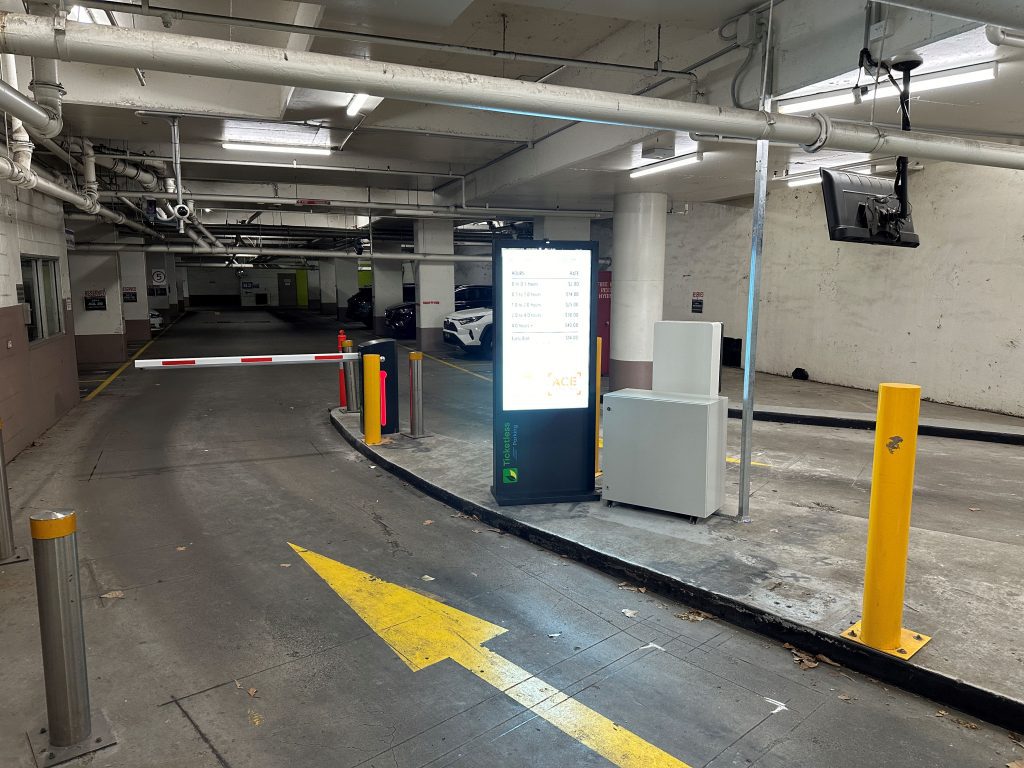
LPR Accuracy: What Does 99% Actually Mean?
A headline claim such as 98%, 99% or 99.5% LPR accuracy can sound definitive, but the number is only useful if you know exactly what it measures. Plate Read, OCR accuracy and Plate Match are different measures, and two suppliers can quote similar percentages while calculating them in different ways.
For asset owners and parking operators, the better question is not simply “How accurate is the camera?” It is “What does the percentage measure, how was it calculated and how does the complete system handle imperfect reads in a live car park?”
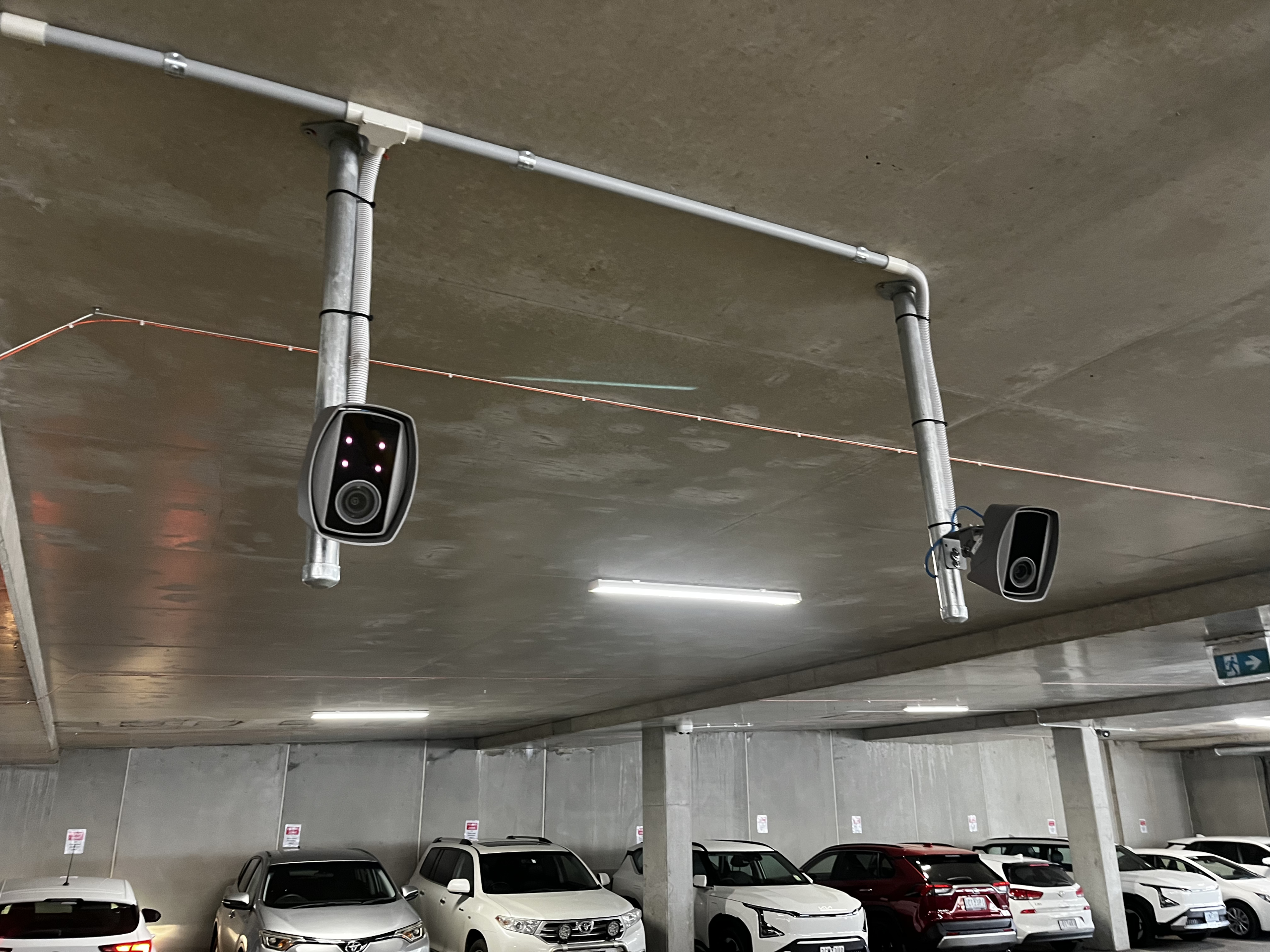
Plate Read, OCR and Plate Match are different measures
Plate Read generally refers to whether the LPR system produced a licence plate result. It does not necessarily mean every character was interpreted correctly.
OCR, or Optical Character Recognition, is the process that converts the plate image into characters.
Plate Match goes a step further and assesses whether the vehicle recorded at entry can be associated with the vehicle presenting at exit.
That distinction matters in ticketless parking. Consider a vehicle with the actual plate ABC123. If the OCR engine interprets the letter B as the number 8, it may record A8C123. Technically, the OCR result is wrong. But if the same substitution occurs at exit, the entry and exit records can still match successfully and the customer journey can continue without interruption.
This is why a strong Plate Match rate can coexist with imperfect individual character recognition.
Why 100% recognition is unrealistic in a live car park
LPR operates in a real-world environment. Plate position and condition, lighting, vehicle movement, camera position, lane geometry, character ambiguity and the range of plate formats all influence the image presented to the recognition system.
A plate may sit high or low, be partially obscured by a tow ball or vehicle accessory, have a cover, be damaged or dirty, or approach the camera at a less favourable angle. The recognition system can only interpret the information available in the captured image.
More importantly, a successful parking journey does not require every individual character to be read perfectly every time. It requires the complete system to recognise and match the vehicle reliably enough for the required transaction to work.
Modern systems use more than a single character read
Good LPR performance does not rely on a camera reading every character perfectly in isolation. Depending on the platform and configuration, systems can use character substitution, Fuzzy Logic, N-1 and N-2 tolerance, infrared and colour imaging strategies, single or dual-camera arrangements and, increasingly, additional vehicle attributes such as make, model and colour.
The purpose of that matching logic is to determine whether imperfect information still represents the same vehicle without creating an unacceptable risk of an incorrect match.
The appropriate tolerance is site-specific. A retail centre, hospital, commercial building and restricted-access environment can require different balances between customer convenience, revenue control, operational exceptions and security.
Ask how the percentage was calculated
Before comparing two quoted LPR performance figures, ask:
- What metric is being reported: Plate Read, OCR accuracy, Plate Match or something else?
- What is the denominator?
- Are damaged, obscured or unreadable plates excluded?
- Was the figure measured in a controlled test or a live operating environment?
- Over what period and transaction volume was it measured?
- How are uncertain reads, substitutions and matching tolerances handled?
A percentage without those answers can create false precision.
Measure performance in the operating environment
Ace Parking operates and supports more than 180 LPR lanes across retail, healthcare and commercial environments. Our experience is that recognition performance needs to be assessed as part of the complete parking operation rather than as a camera specification in isolation.
At Sunshine Plaza in Victoria, a ticketless parking system operating across more than 830 spaces processed 136,431 licence plates across a full month and achieved a 99.53% Plate Match rate. That result is site-specific, not a universal guarantee. Its value is that it was measured in a live operating environment where LPR, parking rules, customer validation, tenant access and operational support all needed to work together.
See the Sunshine Plaza ticketless parking case study for the full implementation and measured results.
The better procurement question
Rather than asking only whether an LPR system is “99% accurate”, ask what the quoted figure actually measures, how it was calculated, how performance is monitored after go-live and what happens to the transactions that are not read perfectly.
That conversation usually reveals far more about how the system will perform for customers and the asset than a headline percentage on its own.
For the wider operating and system-design context, see our Licence Plate Recognition and Ticketless Parking capability page.
Assessing an LPR or ticketless parking solution? Ace Parking can help owners and asset managers assess parking technology from both an operational and technical perspective.