LPR Maintenance Is More Than Cleaning the Camera
Licence Plate Recognition maintenance is often treated as a camera-cleaning task. In a live parking operation, that is only one part of the system.
LPR performance depends on the complete chain that captures a plate, processes the image, applies recognition and matching logic, communicates with other parking systems and supports the customer’s entry or exit. A camera can be physically clean while another part of that chain is reducing performance.
The camera is only the starting point
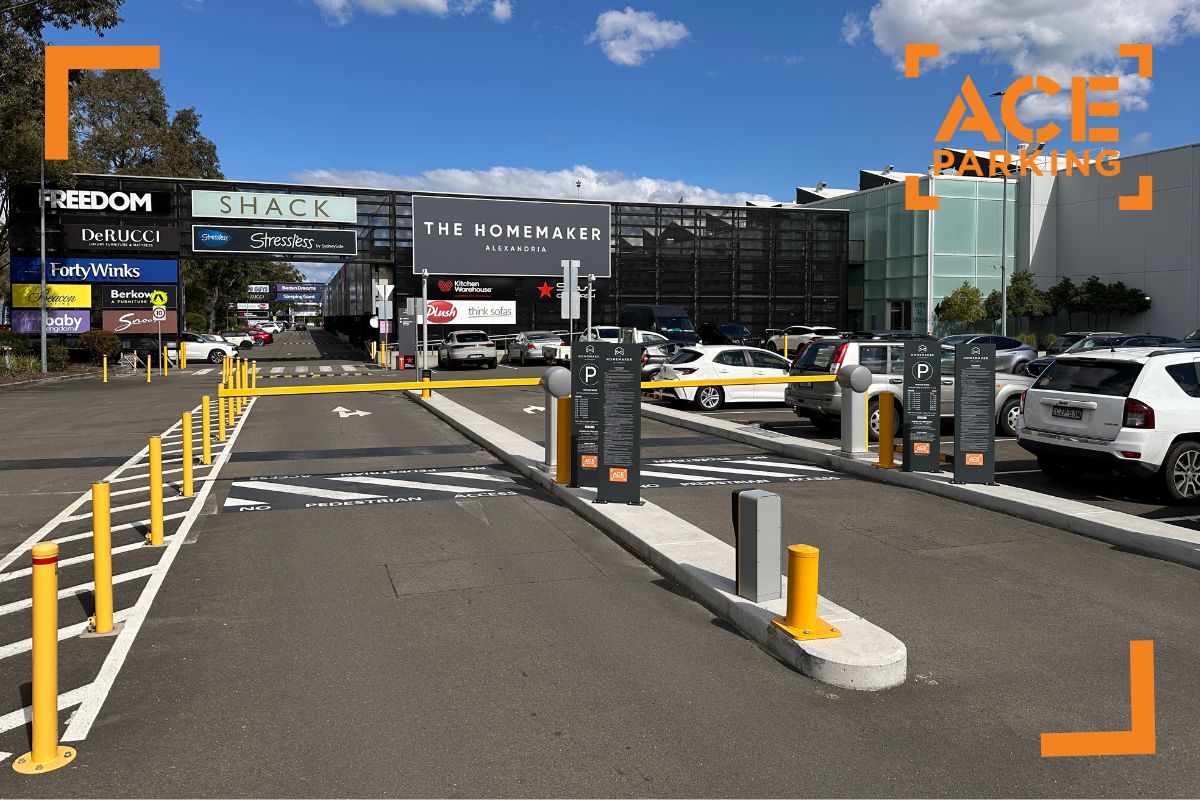
Physical inspection still matters. Camera position, focus, alignment, lenses, housings, lighting and the lane environment can all affect the quality of the image presented to the recognition engine. A change to lane geometry, signage, lighting or vehicle approach can also change capture conditions even when the camera itself has not failed.
The useful maintenance question is therefore not simply whether the camera is working. It is whether the complete capture environment is still producing usable information consistently.
Processing hardware and communications matter too
LPR systems can rely on local processors, servers, network equipment and communications links to move images and transaction data between cameras, recognition software, parking equipment and management platforms. Capacity, connectivity or hardware issues elsewhere in the system can affect the parking journey even when the lane camera appears normal.
Maintenance planning should identify which components are monitored, who owns each component, how faults are detected and how the site operates when one part of the chain is unavailable.
Software, firmware and recognition libraries change over time
Recognition performance is not fixed on the day a system is commissioned. Firmware, application software, matching logic and plate libraries can require updates as technology changes and new plate formats or recognition requirements emerge.
That makes software currency part of lifecycle maintenance. Updates should be controlled and tested rather than applied blindly, particularly where the LPR platform integrates with payment, access-control, validation or customer-administration systems.
Maintenance should include the integrations
In ticketless parking, LPR is rarely a standalone system. The vehicle record may need to work with tariffs, free periods, staff or tenant permissions, validations, authorised vehicle lists, payment systems and operational reporting.
A system can therefore appear to have an LPR problem when the underlying issue is a business rule, data exchange or integration failure. Good support needs a clear pathway for separating recognition faults from payment, access, communications and configuration issues.
Monitor operational performance, not just equipment status
Equipment uptime alone does not show whether customers are receiving the intended parking journey. Operators should also watch the measures that reflect the system’s actual task, such as whether plates are being read, whether entry and exit records are being matched appropriately, and whether exception volumes are changing.
That distinction is important because OCR accuracy, Plate Read and Plate Match measure different things. Our guide LPR Accuracy: What Does 99% Actually Mean? explains why a single headline percentage does not tell the whole story.
Plan for the lifecycle before selecting the system
Owners and asset managers should consider maintenance responsibilities, technical support, software currency, replacement pathways, cybersecurity, integration compatibility and operational fallback before an LPR system is installed. These factors can affect the long-term reliability and flexibility of the parking operation as much as the original camera specification.
For the broader operating context, see our Licence Plate Recognition and Ticketless Parking overview.
Ace Parking can help owners and asset managers assess LPR and ticketless systems from both an operational and technology-lifecycle perspective.