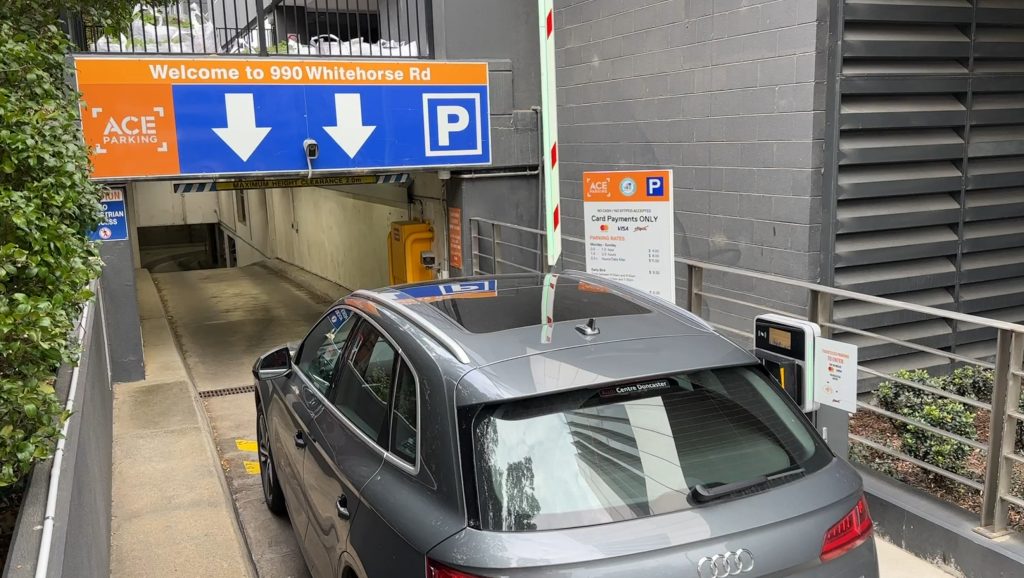
Commercial Property Parking Management
Parking is part of how a commercial property works. It affects tenant experience, visitor access, building operations, revenue, security and the first and last impression people have of the asset.
Ace Parking works with property owners, asset managers and facilities teams to manage parking around the way the building actually operates. That means understanding the tenant and staff commitments already in place, how visitors and contractors use the property, where access pressure occurs, and which responsibilities should sit with the property team, operator or technology.
Start with the property, not the parking system
Commercial properties can have very different parking requirements. Some are predominantly tenant and staff environments; others combine visitors, casual customers, contractors, reserved parking, after-hours access and shared arrangements across multiple occupiers. Existing entitlements, access rules and commercial commitments need to be understood before the operating model is changed. The objective is to make those requirements work together, not force the asset into a standard parking model.
For the broader operating model, see Car Park Management.
Administration should match the entitlement
When entitlements differ between tenants, staff, visitors and contractors, the administration model needs to preserve the agreed arrangements without making every routine change a property-management task. Access, authorised vehicles, accounts and digital administration should reflect the entitlement and the responsibilities agreed for the site.
Technology should support the operating model
Ticketed, ticketless, LPR, access-control, payment, intercom and guidance systems can all be appropriate in commercial property. The choice should follow the customer journey, access requirements, existing infrastructure and long-term responsibilities. Ace is technology-agnostic and can work within suitable existing systems or assess new technology against those operating requirements. See Parking Equipment & Technology and Licence Plate Recognition and Ticketless Parking.
Support should not stop at the equipment
Where 24/7 customer support is required, the parking facility can connect to Ace Parking’s Remote Monitoring & Control Room for customer assistance, remote intervention and coordinated escalation. The National Operations Centre supports the broader operational oversight and coordination model.
Reporting should explain what needs attention
Parking reporting should help the asset team understand what changed, why it matters and what needs attention. The relevant measures will depend on the property and operating scope, but may include revenue, utilisation, customer issues, service performance and agreed improvement actions.
The commercial model should reflect the owner’s objectives
Depending on the property, risk allocation and owner objectives, the appropriate arrangement may be management and operation, lease, licence, profit-share, revenue-share or another agreed structure. The commercial model should follow the asset requirement rather than dictate it. See Lease and Licence for more on alternative commercial structures.
EV charging and emerging mobility
Commercial property owners are also increasingly assessing EV charging, electrical capacity, fire risk, approvals and operating responsibilities. Our evidence-led guide, Are EV chargers putting Melbourne buildings at risk?, outlines why charging decisions should follow a structured technical, commercial and governance assessment rather than a default approval or refusal.
Discuss your commercial property parking requirements
Talk with Ace Parking about your property, current parking operation and the outcomes you want to improve.