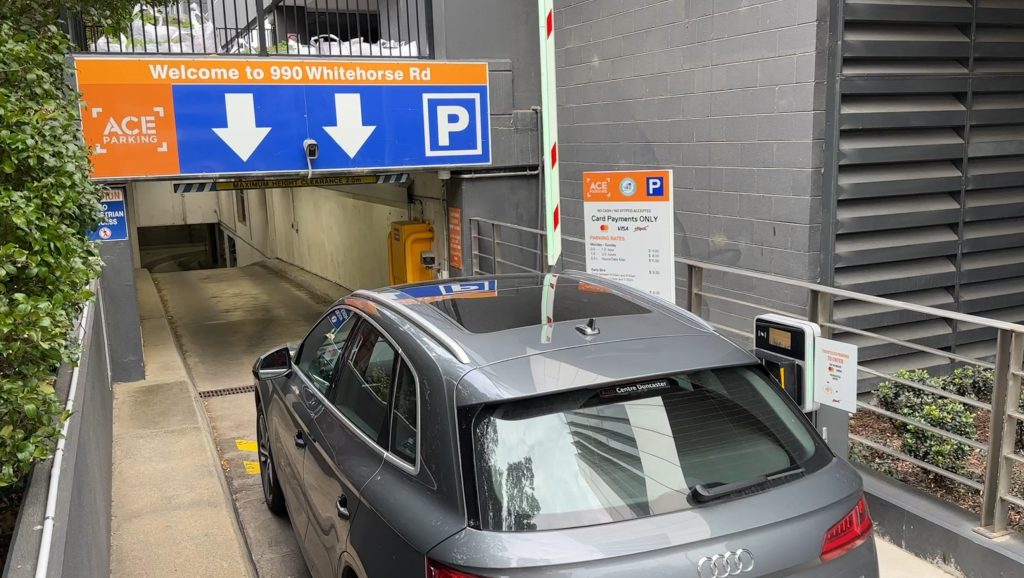
Planning Ticketless Parking? Start With the Operation, Not the Camera
A ticketless parking project should start with the parking operation the site needs to deliver, not with a camera specification.
LPR may be the technology that identifies a vehicle, but the customer experience depends on the business rules, payment and access pathways, integrations, exception handling and support model around it. Defining those requirements first makes it easier to assess whether the proposed technology is appropriate for the asset.
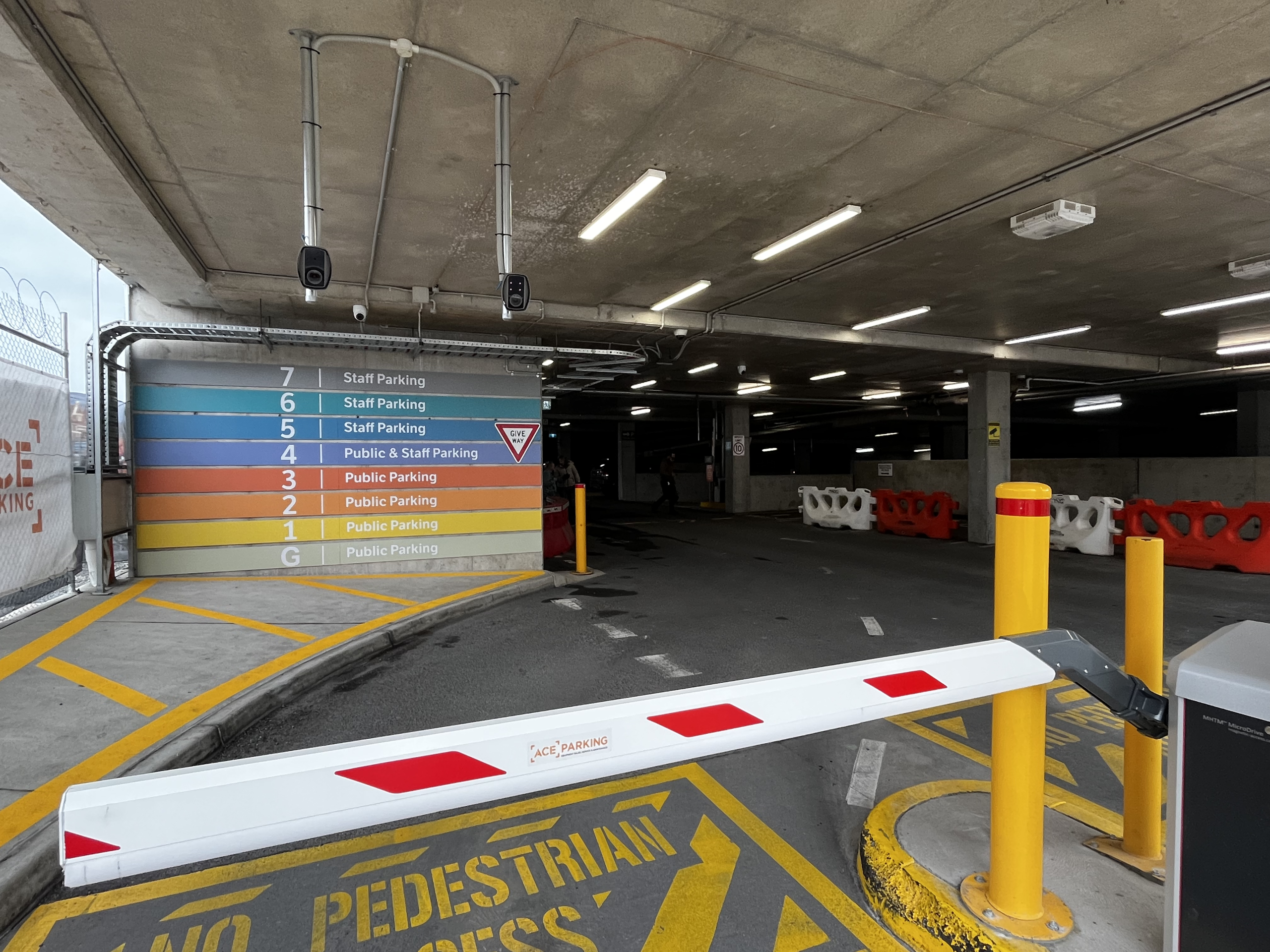
Define the parking journeys first
Start by identifying who uses the car park and what should happen for each group. Casual customers, staff, tenants, authorised visitors, contractors and account holders can require different entry, payment, validation and exit pathways.
The project should define the intended journey for each user group before deciding how the technology will enforce or support it.
Translate the commercial rules into system rules
Free periods, tariffs, grace periods, validations, staff permissions, authorised vehicles and other parking conditions need to be represented accurately in the operating system. Ambiguity at this stage can create customer-service and revenue problems later, even when the recognition technology itself is performing well.
Map the integrations
Ticketless parking may need to connect LPR with payment systems, access control, tenant or staff administration, customer accounts, validations, reporting and other property technology. The important question is not simply whether an integration exists, but whether the information required for the parking journey can move between the relevant systems reliably.
A technology-agnostic design also makes it easier to assess how components can be changed or upgraded over time without unnecessarily redesigning the entire operation.
Design the exception journey
No real-world LPR system reads every vehicle perfectly in every condition. The operating model should therefore define what happens when a plate cannot be confidently matched, a registration is entered incorrectly, a vehicle changes, a payment or validation cannot be found, or an authorised user needs assistance.
This is where customer support and operational control become part of the technology design. A ticketless system should simplify the normal journey while providing a clear, controlled path for exceptions.
Assess the site, not just the product
Camera position, lane geometry, lighting, traffic movement, vehicle approach and the plate population can all influence recognition. The same equipment can produce different results at different sites because the operating environment is different.
When suppliers provide performance percentages, confirm what the figure measures and how it was calculated. OCR accuracy, Plate Read and Plate Match are not interchangeable measures. See LPR Accuracy: What Does 99% Actually Mean? for the distinction.
Plan support and lifecycle requirements before go-live
Ticketless parking relies on more than cameras. Processing hardware, communications, firmware, application software, recognition libraries and integrations all need an owner and support pathway. The project should establish how faults are detected, who responds, how updates are controlled and what the fallback process is when part of the system is unavailable.
Our guide LPR Maintenance Is More Than Cleaning the Camera covers the main lifecycle considerations.
Test the operating outcome
Commissioning should verify the journeys and rules the car park actually needs to deliver. That includes normal entry and exit, different user groups, payment and validation pathways, expected exceptions and the escalation process for issues.
The objective is not simply to prove that a camera can read a plate. It is to prove that the complete parking operation works for customers, the asset and the people who need to support it.
Proof in operation
At Sunshine Plaza in Victoria, Ace Parking led the operational implementation and ongoing management of a ticketless system across more than 830 spaces. Across a full month of normal operation, the system processed 136,431 licence plates and achieved a 99.53% Plate Match rate. The project also increased vehicle turnover and improved customer parking availability.
Read the Sunshine Plaza ticketless parking case study.
For the wider capability context, see Licence Plate Recognition and Ticketless Parking.
Ace Parking can help owners and asset managers plan ticketless parking around the operating requirements of the asset.