Ace Parking Group named finalist in 2026 Parking Industry Awards
Parking technology matters most when it makes the parking experience simpler for the people using it.
Ace Parking secures 3 finalist nominations at the Parking industry awards 2026!
Parking technology matters most when it makes the parking experience simpler for the people using it.
Ace Parking secures 3 finalist nominations at the Parking industry awards 2026!
By James English, CEO, Ace Parking Group and President, Parking Australia
A warning that an EV-sparked skyscraper disaster could be “waiting to happen” in Melbourne is confronting. It is also exactly the kind of claim that should trigger a proper assessment, not an automatic refusal.
In a Herald Sun report published on 12 September 2026, Melbourne fire safety expert Dr Jonathan Barnett warned about installing electric vehicle charging in high-rise buildings without adequate engineering assessment. Dr Barnett told the Herald Sun he was “not opposed” to EVs, but opposed to chargers being installed in buildings without an engineering assessment.
The concern is understandable. The problem is what often happens next.
For many existing buildings, uncertainty around fire risk, electrical capacity, insurance, governance and approvals is not leading to a structured review of the opportunity. It is leading to a default “no”.
I saw the same issue raised directly at Breaking Barriers, Building Charge: Overcoming the Hurdles of EV Parking at RMIT Activator in Melbourne on 26 August 2026, where I participated in the panel discussion. The conversation brought together the parking and EV sectors to examine infrastructure, operations, safety, commercial models and future demand. One theme was difficult to ignore: uncertainty can become a de facto “no” long before the technical, commercial and operational opportunity has been properly assessed.

The discussion also challenged assumptions about charging risk, including the question explored later in this article: can a healthy EV connected to compliant charging infrastructure, in some circumstances, gain an additional layer of active monitoring and protection rather than simply adding risk?
That matters because Victoria is trying to expand EV charging at the same time as many buildings are struggling to establish a clear pathway to approve it. Victoria’s 2026 parliamentary inquiry into electricity supply for EVs identified owners corporation approvals and retrofit costs as significant hurdles. Major works can require significant owner approval, which can be difficult to achieve even where a technically viable solution exists.
The better outcome is to assess the technical, commercial and governance pathways together, then decide whether to proceed, stage the works, adopt an interim solution or defer for a defined reason.
Uncertainty should trigger an assessment, not a veto.
Licence Plate Recognition maintenance is often treated as a camera-cleaning task. In a live parking operation, that is only one part of the system.
LPR performance depends on the complete chain that captures a plate, processes the image, applies recognition and matching logic, communicates with other parking systems and supports the customer’s entry or exit. A camera can be physically clean while another part of that chain is reducing performance.
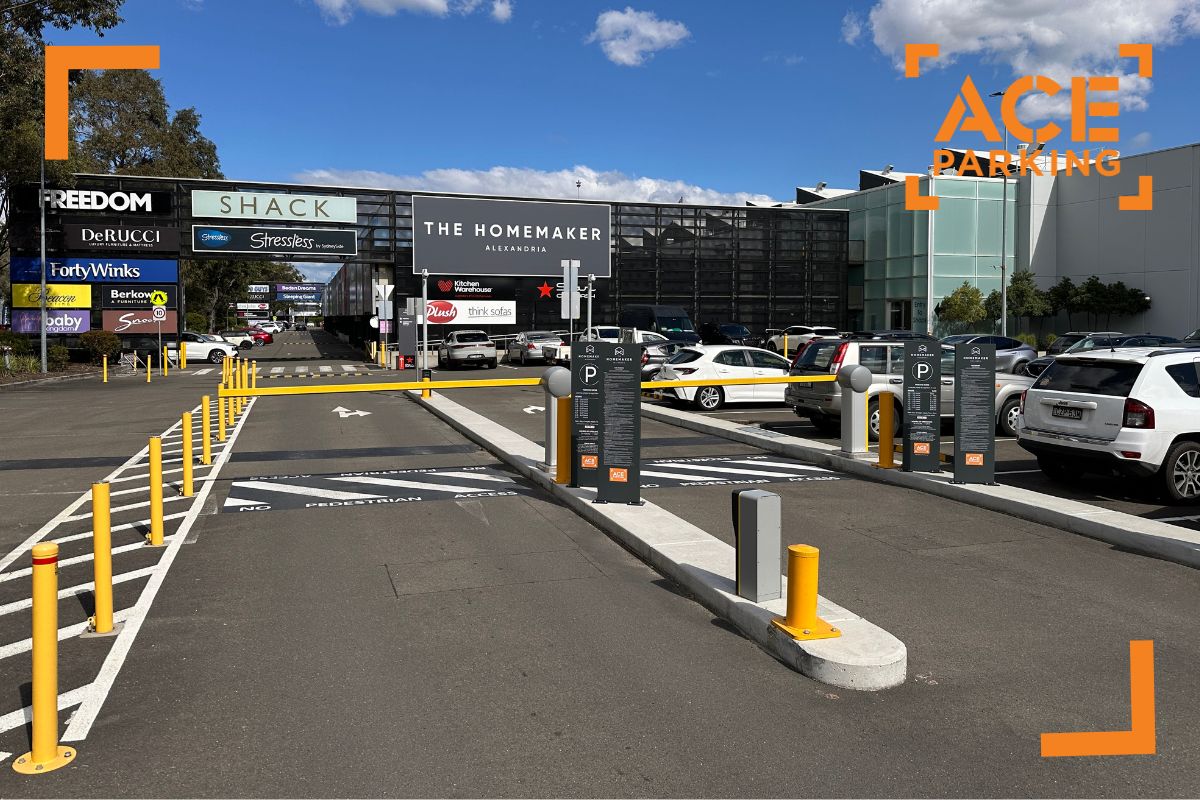
Physical inspection still matters. Camera position, focus, alignment, lenses, housings, lighting and the lane environment can all affect the quality of the image presented to the recognition engine. A change to lane geometry, signage, lighting or vehicle approach can also change capture conditions even when the camera itself has not failed.
The useful maintenance question is therefore not simply whether the camera is working. It is whether the complete capture environment is still producing usable information consistently.
A headline claim such as 98%, 99% or 99.5% LPR accuracy can sound definitive, but the number is only useful if you know exactly what it measures. Plate Read, OCR accuracy and Plate Match are different measures, and two suppliers can quote similar percentages while calculating them in different ways.
For asset owners and parking operators, the better question is not simply “How accurate is the camera?” It is “What does the percentage measure, how was it calculated and how does the complete system handle imperfect reads in a live car park?”
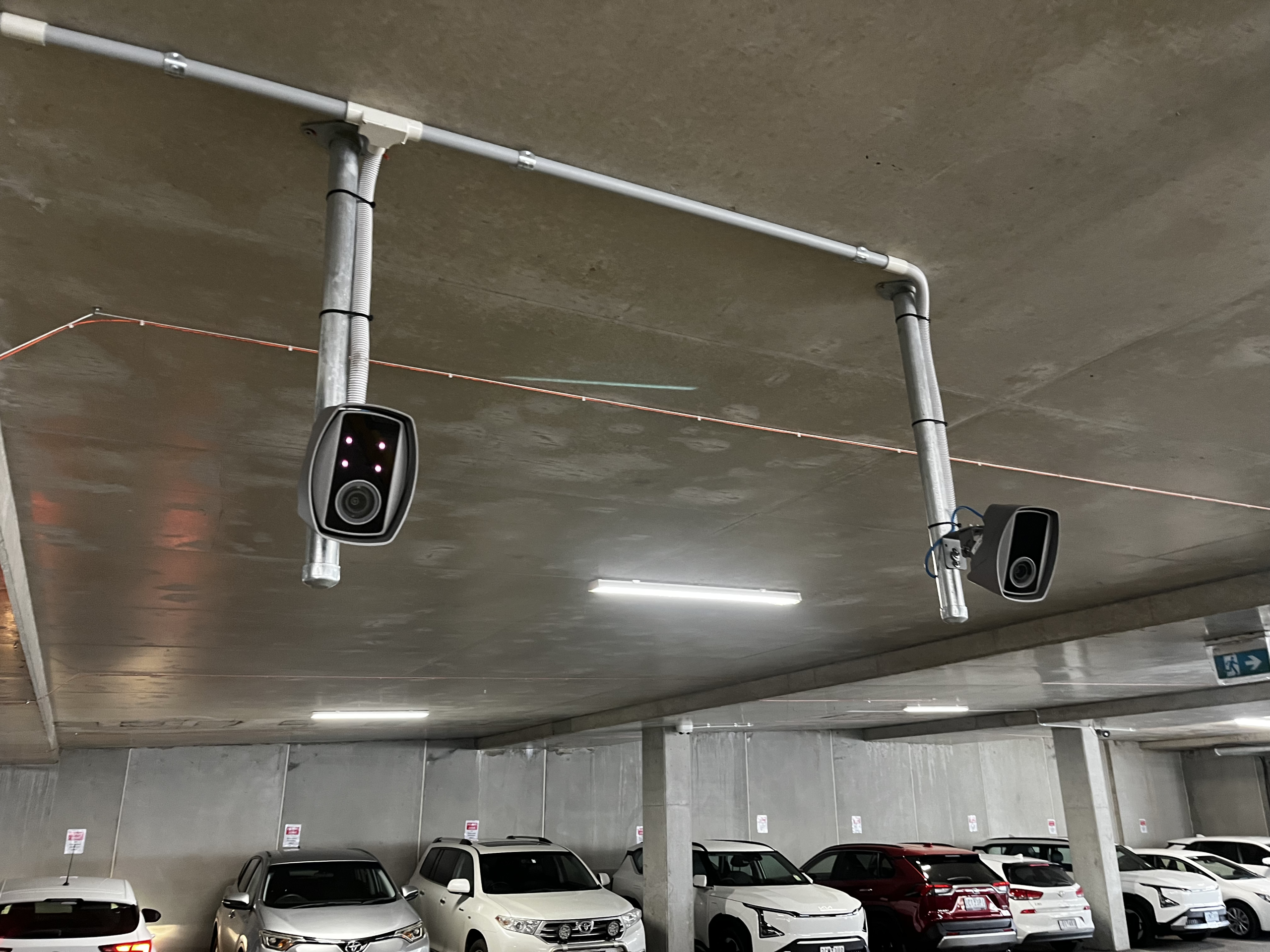
Plate Read generally refers to whether the LPR system produced a licence plate result. It does not necessarily mean every character was interpreted correctly.
OCR, or Optical Character Recognition, is the process that converts the plate image into characters.
Plate Match goes a step further and assesses whether the vehicle recorded at entry can be associated with the vehicle presenting at exit.
That distinction matters in ticketless parking. Consider a vehicle with the actual plate ABC123. If the OCR engine interprets the letter B as the number 8, it may record A8C123. Technically, the OCR result is wrong. But if the same substitution occurs at exit, the entry and exit records can still match successfully and the customer journey can continue without interruption.
This is why a strong Plate Match rate can coexist with imperfect individual character recognition.
A ticketless parking project should start with the parking operation the site needs to deliver, not with a camera specification.
LPR may be the technology that identifies a vehicle, but the customer experience depends on the business rules, payment and access pathways, integrations, exception handling and support model around it. Defining those requirements first makes it easier to assess whether the proposed technology is appropriate for the asset.
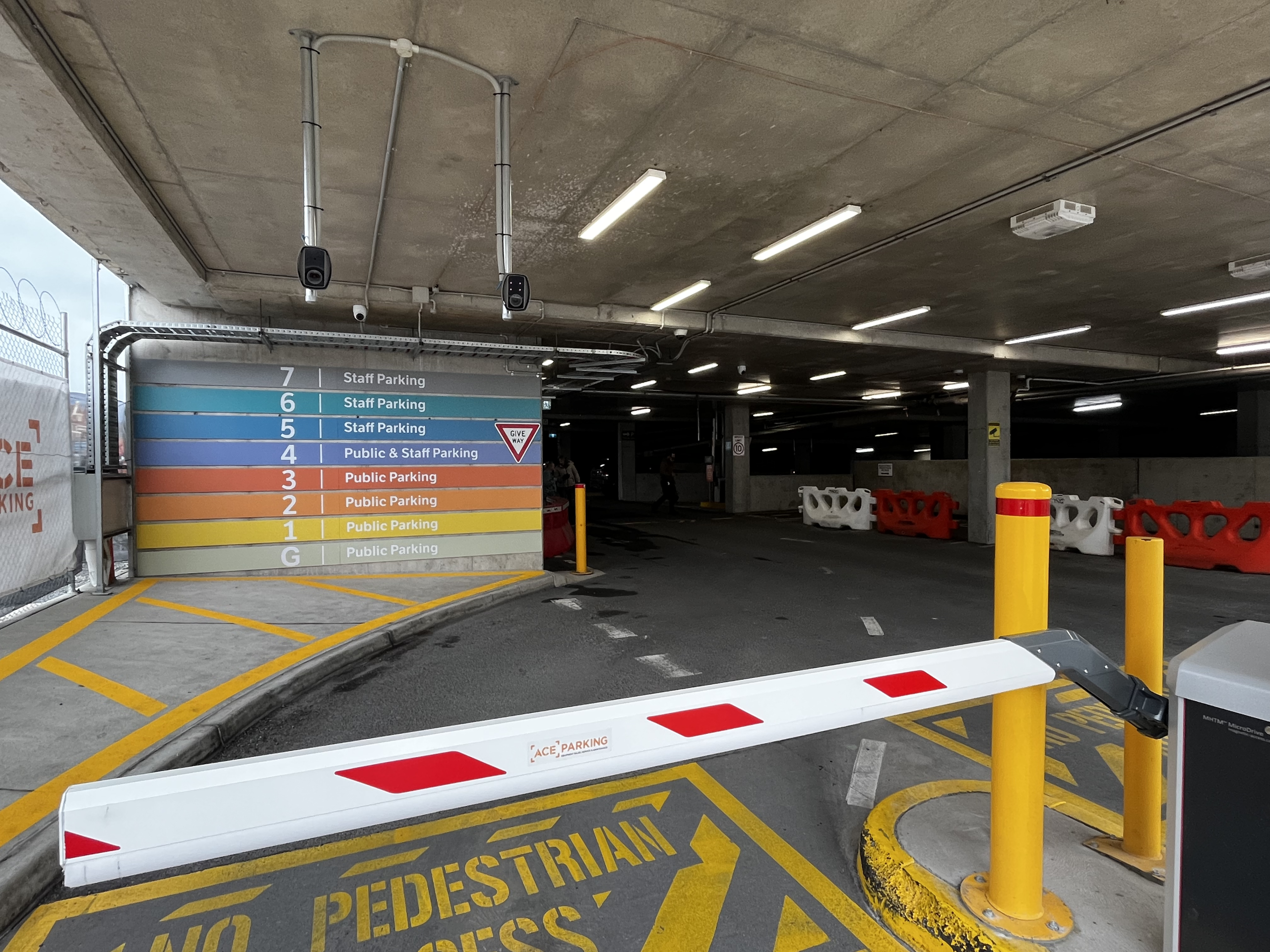
Start by identifying who uses the car park and what should happen for each group. Casual customers, staff, tenants, authorised visitors, contractors and account holders can require different entry, payment, validation and exit pathways.
The project should define the intended journey for each user group before deciding how the technology will enforce or support it.
Melbourne’s western suburbs are growing quickly, and commuter parking is increasingly part of the transport infrastructure challenge.
A Herald Sun report published on 29 August 2026 highlighted concerns about parking capacity at the new West Tarneit railway station, which is expected to open with around 400 parking spaces. The report also pointed to Williams Landing as a nearby example of significantly greater commuter parking capacity and specifically referenced Ace Parking’s paid parking offering.
For Ace Parking, the issue is broader than the number of spaces at any one station. It demonstrates the role that well-located, privately operated parking can play in supporting public transport networks, particularly in fast-growing areas where demand can increase faster than new infrastructure can be delivered.
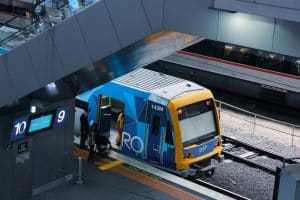
Photo by Nao Takabayashi on Unsplash
Retail parking should feel like part of the welcome, not a hurdle before the customer reaches the shops.
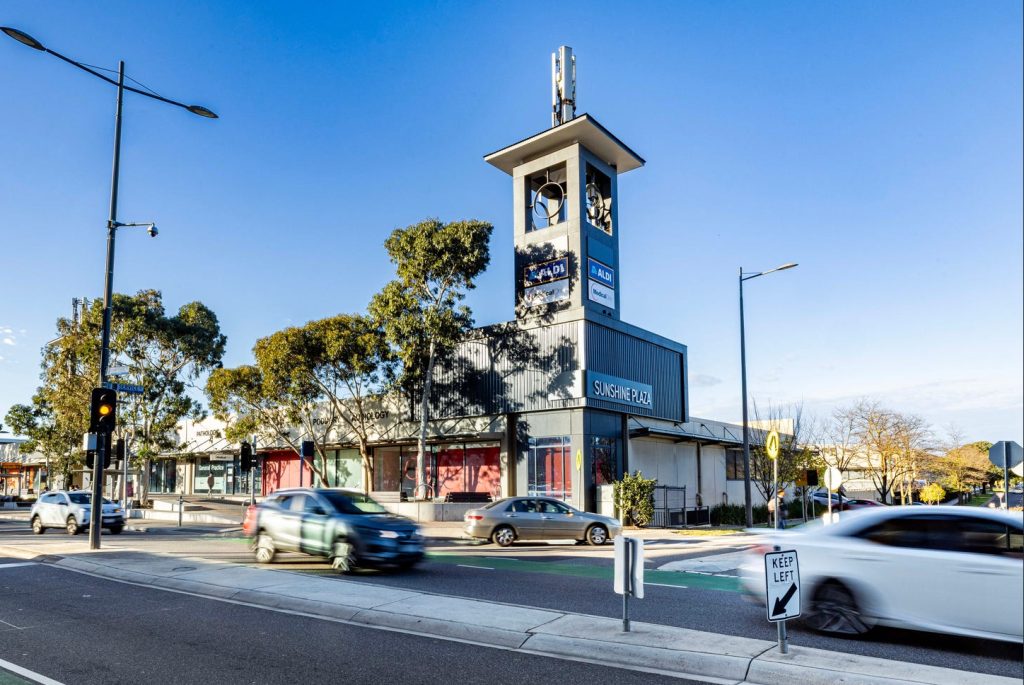
On 9 June 2026, Sunshine Plaza in Sunshine, Victoria moved to a ticketless parking experience with Ace Parking leading the operational implementation and ongoing management of the parking environment.
The new licence plate recognition system allows customers to enter and exit without collecting or presenting a paper ticket. For eligible visits, that creates a true windows-up journey: arrive, park, shop and leave without winding down the window or handling a ticket.
Ace Parking has strengthened its support for women across the parking industry through its sponsorship of Parking Australia’s Women in Parking initiative for 2026.
Ace Parking General Manager Steven Whitford announced the company’s support at the Women in Parking networking event at Darling Quarter in Sydney on Wednesday 25 February 2026.
Speaking at the event, Steven made clear that Ace sees the sponsorship as part of a broader commitment to creating opportunities for women within both Ace Parking and the wider parking industry.
Ace Parking opened its new Head Office and National Operations Centre at 2 Lytton Street, Burwood on 2 February 2026.
The company-owned facility is now the base for Ace Parking’s corporate, operational, technology, finance, administration and 24/7 remote support teams.
The Burwood site includes office and meeting areas, operational workspaces, training facilities and a dedicated warehouse supporting Ace Parking’s maintenance division, including spare parts, replacement parking equipment and project stock.
Continue reading
Ace Parking’s Natalie Allsop has been named Emerging Leader of the Year at the 2025 Parking Industry Awards, presented by Parking Australia in Sydney on 15 October 2025.
Natalie is Client Relationship Manager at Ace Parking, where her role centres on senior client engagement, service governance and the connection between client priorities and operational delivery across complex parking environments.
The Emerging Leader of the Year award recognises individuals demonstrating leadership, commitment and future potential within the Australian parking industry. Parking Australia’s published winners list confirms Natalie as the 2025 recipient representing Ace Parking Group.

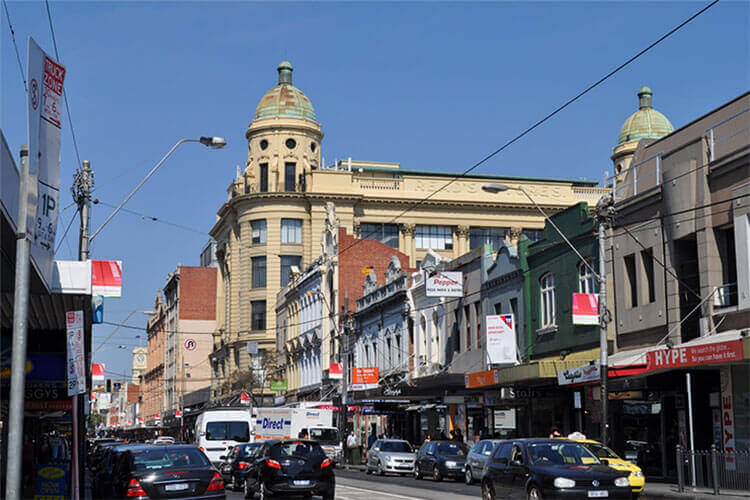
Historical South Yarra case study: Ace Parking oversaw development of a 400-bay interim car park and operated the facility for 16 years while the site remained in parking use.
Learn about Chapel Street, South Yarra